
DC BAC Test Refusal Laws and Consequences

Police may suspect drunk driving and ask for a test. The test can be breath or blood. These tests check for blood alcohol content (BAC).

You can choose to refuse the test. However, refusing has legal consequences. These penalties can apply even if you are not found guilty of DUI.


What Happens If You Refuse a BAC Test in DC

Refusing a test can affect your driver’s license. It can also lead to separate criminal charges. In addition, it may influence how your case is handled in court.

Washington, DC, follows implied consent laws under DC Code § 50–1902. This means that when you drive in DC, you agree to take chemical tests if you are arrested for DUI. These tests check your blood alcohol content, also called BAC.

Before asking you to take the test, the officer has to clearly explain the risks of refusing under DC Code § 50–1905. If you still refuse after this warning, your refusal might become a violation under DC law.

The refusal might lead to two types of penalties.

Administrative Penalties

The DMV handles license suspensions. This process only deals with your driving privileges. It does not decide if you are guilty of a crime.

The DMV may suspend your license after you refuse a BAC test. This can happen even before your criminal case goes to court.

You can request a DMV hearing to challenge the suspension. At this hearing, you can present evidence or explain your side of the story. However, you have just 10 days to request the hearing. If you miss the deadline, the suspension usually continues.

Criminal Process

Courts like the Superior Court of the District of Columbia handle criminal charges related to BAC test refusal. If you are convicted, the court can impose criminal penalties. These penalties depend on the facts of the case and your prior record.

For a first refusal offense, penalties may include:

  • Fines up to $300
  • Jail time up to 90 days (in some cases, jail may be suspended depending on circumstances)
  • Driver’s license restrictions beyond the DMV suspension

For repeat refusals, penalties may become stronger. You could get higher fines, longer jail sentences, and additional driving restrictions. The exact punishment depends on your driving history, the facts of the case, and the judge’s decision.

These criminal penalties are separate from DMV administrative penalties. This means you can face both court punishment and license suspension at the same time.

Refusal vs. Failing a BAC Test

Refusing a BAC test and failing a BAC test are not the same. Both situations relate to DUI investigations, but they are handled differently under DC law. The type of evidence used in court may differ.

Failing a BAC Test

When a driver fails a BAC test, the test shows that alcohol in the driver’s body is above the legal limit. In Washington, DC, the legal limit for most adult drivers is 0.08% BAC.

For drivers under age 21, DC follows a stricter rule. A BAC of 0.02% or higher can lead to legal consequences. This is because underage drivers are not allowed to drink and drive.
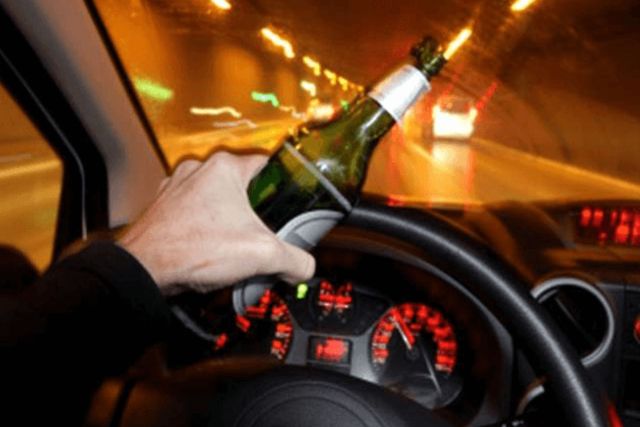
    In these situations, prosecutors can use the chemical test result as strong evidence in court. The BAC number shows the amount of alcohol in the driver’s system at the time of testing.

    Because of this direct scientific evidence, failing a BAC test can make it easier for prosecutors to prove a DUI charge.

    Refusing a BAC Test

    When a driver refuses a BAC test, there is no chemical reading of blood alcohol content. Without this number, prosecutors cannot rely on a test result to show the driver’s alcohol level.

    Instead, they may use other types of evidence to try to prove impairment. This evidence may include:

    • Driving behavior before the stop
    • Police officer observations
    • Field sobriety test results
    • Video footage from body or dash cameras
    • Witness statements

    How Refusal Can Affect a DUI Case

    Refusing a BAC test can affect a case in different ways. In some situations, the lack of a BAC result may make the case harder for prosecutors to prove. This is because there is no scientific measurement of alcohol levels.

    In other situations, prosecutors may argue that the driver refused the test to avoid showing a high BAC result. Courts may allow this argument as part of the evidence presented during the case.

    Because every DUI stop is different, the impact of refusal often depends on the specific facts and evidence involved.

    Defenses for BAC Refusal in DC

    If you refused a BAC test in Washington, DC, you may still have legal options. A refusal does not automatically mean that penalties will apply without question. The details of the traffic stop, the arrest, and the officer’s actions can affect how the law applies.

    Because refusal cases involve both DMV rules and criminal law, it is important to speak with a DC DUI attorney. A lawyer can review the facts of your case and explain possible defenses under DC law.

    Depending on the circumstances, a lawyer may raise one or more of the following defenses.

    The Traffic Stop Was Not Lawful
    Police should have a valid reason to stop a driver. This is usually based on a traffic violation, suspicious driving behavior, or another legal basis.

    If the officer did not have reasonable suspicion to stop the vehicle, the stop may be considered unlawful. When this happens, evidence collected after the stop may be challenged in court.

    The Officer Did Not Follow Implied Consent Rules

    Under DC’s implied consent law, officers have to explain the consequences of refusing a BAC test before requesting the test. This warning informs the driver that refusal can lead to license suspension and other penalties.

    If the officer failed to provide this warning or did not explain it clearly, the refusal may be challenged. Courts sometimes review whether the driver received proper notice before deciding whether the refusal is valid.

    Medical Conditions or Physical Limitations

    Some drivers have medical conditions that affect their ability to complete certain tests. For example, breathing problems, lung conditions, or other health issues may make it difficult to perform a breath test.

    In these situations, a refusal may not always be intentional. Medical records or professional testimony may help explain why the test could not be completed.

    Confusion or Lack of Understanding

    In some cases, a driver may not fully understand the officer’s request. Language barriers, stress, or unclear instructions can create confusion during a traffic stop.

    If a driver did not clearly understand that refusing the test would lead to penalties, a defense attorney may question whether the refusal was knowing and voluntary.

    Testing Procedures Were Improper

    Chemical testing should follow certain procedures. This includes how the test is requested, administered, and the results recorded.

    If the officer did not follow proper procedures, the defense may challenge the validity of the refusal or other related evidence.

    DUI refusal cases depend heavily on the specific facts involved. Small details about the traffic stop, the officer’s actions, and the driver’s responses can make a difference.

    For this reason, reviewing the case with a DC DUI attorney can help identify possible defenses and determine a legal strategy.

    When Legal Guidance May Help

    Refusing a BAC test can create complicated legal issues. As a driver, you may face license suspension, criminal charges, and court proceedings at the same time. These processes often move forward separately and can be difficult to handle alone.

    Because of this, many drivers choose to speak with a DC DUI defense attorney. A lawyer can review the details of the traffic stop and explain how DC law applies to the situation. They may also help you understand possible penalties, deadlines, and options for responding to the case.

    Getting legal guidance early can help you make informed decisions. It can also help you better understand your rights and what steps may come next. If you have questions about BAC test refusal in DC, you can speak with our attorneys to discuss your situation.

      Frequently Asked Questions

      Can police force me to take a BAC test in Washington, DC?

      Police usually cannot force you to take a breath or blood test without a warrant. You have the right to refuse the test.

      However, refusing the test can lead to license suspension and possible criminal charges. In some situations, officers may ask a judge for a warrant to collect a blood sample.

      What is the difference between a roadside breath test and a station test?

      A roadside breath test is used as an early screening tool. Officers may use it during a traffic stop to check for signs of alcohol use.

      A chemical test at a police station or medical facility is more accurate. These tests are usually used as evidence in court.

      Refusing the chemical test may trigger penalties under DC implied consent laws.

      Does refusing a BAC test automatically suspend my license?

      In many cases, yes. Refusing a BAC test can lead to automatic license suspension under DC implied consent laws.

      Drivers may have the right to request a DMV hearing to challenge the suspension. However, strict deadlines usually apply, so acting quickly is important.

      Can refusal be used as evidence in court?

      Yes. In many DUI cases, prosecutors may use refusal as part of the evidence.

      They may argue that the driver refused the test because they believed their BAC was above the legal limit. However, refusal alone does not prove that the driver was impaired. Prosecutors still need other evidence to support the case.

      202-240-9092

      Shape 4

      Speak With a Criminal Defense Lawyer in Washington DC Today

      Being charged with a crime can have serious consequences, including fines, a criminal record, or even jail time. Having an experienced criminal defense lawyer on your side can make a critical difference in the outcome of your case.

      At Scrofano Law PC, we are committed to defending your rights and guiding you through every stage of the legal process. Our firm represents clients throughout Washington DC, Maryland, and Northern Virginia in a wide range of criminal defense matters.

      Contact us today to schedule a confidential consultation with a criminal defense lawyer in Washington DC.
