
Get familiar with Washington, DC firearm laws and restrictions.
Washington, DC has some of the strictest gun laws in the United States. These laws were enacted with public safety in mind, but they also create significant legal exposure for individuals who may not fully understand the requirements or find themselves in violation of complex statutory provisions. Understanding the nuances of DC gun law is essential for anyone facing charges or seeking to legally own firearms in the District.
Are Gun Laws in Washington, DC Strict?
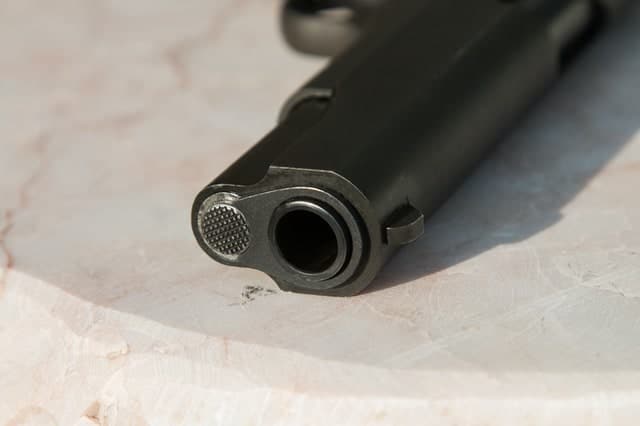
Yes. The District’s firearms regulations are among the most comprehensive in the nation, covering everything from registration and licensing requirements to restrictions on the types of weapons that can be legally possessed.
The District treats gun ownership as a privilege, not a right you can freely exercise without government approval.
Even people who legally own firearms in neighboring states can face criminal charges after bringing a weapon into DC without complying with local law.
Washington, DC, regulates firearms through a combination of registration requirements, licensing rules, and restrictions on where and how firearms may be possessed.
Firearm Registration Requirements
Under DC Code § 7-2502.01, most firearms must be registered with the Metropolitan Police Department before possession is lawful in the District. This requirement generally applies to handguns, rifles, and shotguns.
Possessing an unregistered firearm can result in criminal charges, even if the firearm was legally purchased in another state.
Concealed Carry Rules
Washington, DC, allows concealed carry permits, but applicants must meet specific legal requirements through the MPD. DC does not honor out-of-state concealed carry permits.
Prohibited Weapons and Devices
Certain weapons and firearm accessories are prohibited under DC law. Restrictions may apply to:
- Machine guns
- Sawed-off shotguns
- Assault weapons
- Large-capacity ammunition magazines
- Certain firearm modifications
Violations involving prohibited weapons often carry more severe penalties.
Restrictions on Where Firearms May Be Carried
Even with a valid concealed pistol license, firearms are prohibited in certain locations. Restricted areas can include:
- Schools
- Government buildings
- Public transportation areas
- Certain bars or establishments serving alcohol
- Federal property
Background Checks and Purchase Requirements
DC also regulates firearm purchases closely. Applicants generally must complete:
- Background checks
- Firearms registration paperwork
- Fingerprinting requirements
- Firearms safety training
- Waiting periods in certain situations
Certain criminal convictions, protective orders, or mental health findings may prevent lawful firearm possession under local or federal law.
Situations That Frequently Lead to DC Gun Charges
Many firearm arrests in Washington, DC, involve situations where people believe they are following the law but unknowingly violate DC firearm regulations.
Bringing a Firearm Into DC From Another State
One of the most common situations involves visitors traveling from Virginia or Maryland. A person may legally possess and carry a firearm in their home state, but still face charges after entering Washington, DC because DC does not recognize out-of-state carry permits.
Transporting Firearms Through the District
Federal law provides limited protections for interstate firearm transportation, but strict rules still apply. If a firearm is not unloaded, secured properly, or separated from ammunition during transport, a person may still face arrest or criminal charges in DC.
Possessing Ammunition Without Proper Registration
DC separately regulates ammunition possession. In some cases, someone may lawfully possess ammunition elsewhere but still violate DC law if they do not have a properly registered firearm connected to that ammunition.
Firearms Near Schools or Federal Property
Possession of a firearm near schools, government buildings, courthouses, or federal property can lead to additional charges or enhanced penalties. Federal restrictions may apply separately from DC law in these situations.
Prior Criminal Convictions
Prior felony convictions or certain misdemeanor offenses can significantly affect firearm rights. A person prohibited from possessing firearms under federal or DC law may face enhanced penalties if arrested with a weapon.
Replica or Modified Weapons
Certain imitation firearms, modified weapons, or prohibited firearm accessories may still violate DC law depending on how the item is classified under local statutes.
What Happens After a Gun Arrest in Washington, DC?
Gun cases in DC usually move through several stages in the criminal court process.
Stage 1: Arrest and Initial Hearing
DC police make an arrest when they find a gun without proper registration or a license. After arrest, you go before a judge within 24 hours. This is called an initial appearance.
The judge decides if you stay in custody or go home. In DC, gun charges often lead to detention requests by the prosecutor.
Stage 2: Presentment and Arraignment
Within a few days, you appear in the DC Superior Court for arraignment. The court reads the formal charges. You enter a plea, where most people plead not guilty at this stage. The judge may also set conditions for release, such as check-ins or travel restrictions.
Stage 3: Pretrial Period
This phase can last several months. A DC gun attorney reviews police reports, body cam footage, and evidence. In DC, the prosecutor must share this under Brady disclosure rules.
Motions may be filed to challenge how police found the weapon. Suppression hearings can take place during this stage.
Stage 4: Plea Negotiations or Trial
Many DC gun cases resolve through plea deals. If no deal is reached, the case goes to trial in the DC Superior Court. Trials can take one to several days. A judge or jury decides the outcome based on DC law and the evidence.
Stage 5: Sentencing
If convicted, sentencing follows within weeks. DC judges use federal-style guidelines to set penalties. Sentences for gun crimes can range from months to several years, depending on the charge and your record.
Sentencing depends on:
- The firearm offense charged
- Criminal history
- Whether mandatory minimums apply
- Whether prohibited weapons or repeat offenses are involved
What Penalties Can You Face for Violating DC Gun Laws?
Washington, DC, imposes serious penalties for many firearm offenses, including both misdemeanor and felony charges. The exact sentence depends on the type of weapon involved, where the alleged offense occurred, and whether the accused person has prior convictions.
Possession of an Unregistered Firearm
Under DC law, possessing an unregistered firearm is generally a misdemeanor offense.
A conviction can carry:
- Up to 1 year in jail
- Fines that may reach $1,000 to $2,500, depending on the charge and circumstances
DC may also separately charge unlawful possession of ammunition if the person possessed ammunition without a properly registered firearm.
Carrying a Pistol Without a License (CPWL)
Carrying a pistol without a valid DC-issued license is usually a felony offense under DC Code § 22-4504.
A conviction may carry:
- Up to 5 years in prison
- Significant fines
If the person has a prior felony conviction or prior firearm conviction, the maximum sentence may increase to:
- Up to 10 years in prison
Felon in Possession of a Firearm
People prohibited from possessing firearms because of prior felony convictions may face some of the most serious penalties under DC law.
Under DC Code § 22-4503, unlawful possession of a firearm by a prohibited person can carry:
- Mandatory minimum prison sentences in some situations
- Up to 10 years in prison
- Increased penalties for certain prior violent offenses
Possession of Prohibited Weapons
Possession of certain prohibited weapons may result in felony charges and substantial prison exposure.
The penalties often increase if:
- The firearm was loaded,
- The alleged offense occurred near protected locations,
- Another alleged crime was involved.
Additional Consequences Beyond Jail Time
A firearm conviction in Washington, DC, can create consequences beyond incarceration.
Depending on the case, a conviction may affect:
- Security clearances
- Federal employment
- Immigration status
- Professional licenses
- Future firearm rights
- Housing and background checks
In some cases, firearm allegations may also trigger federal prosecution in addition to DC Superior Court charges because Washington, DC operates under both local and federal legal systems.
When It May Help To Speak With a DC Gun Lawyer
Washington, DC firearm laws are highly technical, and many arrests involve situations where people did not realize they were violating local law.
Legal guidance may be especially important when:
- The firearm was legally owned in another state
- Police recovered the weapon during a traffic stop or search
- The case involves federal property
- The accused person has prior convictions
- The charges involve concealed carry licensing issues
- Prosecutors are pursuing felony firearm charges

Gun cases also frequently involve constitutional issues related to searches, seizures, and police procedures. In some situations, the legality of the stop or search itself may become central to the defense.
At Scrofano Law PC, we represent people facing firearm-related charges in Washington, DC, and help clients understand how local and federal gun laws may affect their cases.
Common Questions About DC Gun Laws
Can I transport a legally owned gun through DC?
Transporting a firearm through Washington, DC, is allowed under federal law if the gun is unloaded and locked in a case separate from ammunition. However, DC does not recognize this federal transit protection the same way other states do, so a brief stop in DC can still lead to arrest.
What happens if I use a gun in self-defense in DC?
DC law does allow self-defense as a legal argument, but the burden of proof is on you to show that the force was necessary. The absence of a “stand your ground” law means you may have a duty to retreat before using deadly force if it is safe to do so.
Does DC recognize any out-of-state gun permits?
No. DC does not honor any out-of-state carry permits. Even a valid permit from your home state gives you no legal right to carry in DC.
Can a gun charge in DC affect federal employment or security clearances?
Yes. A gun conviction in DC may trigger federal consequences beyond the criminal sentence. It can affect your right to hold a security clearance, work in federal law enforcement, or keep certain professional licenses.
Are there enhanced penalties for gun crimes near schools in DC?
DC law treats gun offenses near schools and other protected zones with added severity. A charge tied to a school zone can raise the potential sentence well above the baseline penalty for the same offense.
202-765-3175
Comuníquese Con Un Abogado Penal De Dc Especializado
Cuando se enfrenta a una situación difícil en el ámbito del derecho penal, contar con un abogado penalista dedicado de Washington DC a su lado puede marcar una gran diferencia. Los abogados de Scrofano Law PC tienen la experiencia y el compromiso necesarios para manejar su caso de manera efectiva, trabajando con diligencia para obtener el mejor resultado posible, ya sea que eso implique reducir o desestimar los cargos.
No importa cuán desafiante o complejo sea su caso, Scrofano Law PC está aquí para ayudarlo. Nuestros abogados expertos pueden guiarlo a través del proceso legal y defender sus derechos incluso contra los fiscales más agresivos. Para programar una consulta confidencial, contáctenos hoy al 202-765-3175 .


