
When domestic violence charges are brought forward, a robust defense often involves addressing both the facts and perceptions surrounding the case. In DC, courts may consider testimonies from those who know the defendant well to assess credibility and character. Such witnesses are called character witnesses.
Using character witnesses in domestic violence cases can be very pivotal to the accused’s defense. These witnesses may provide testimony that paints a different picture of the accused, contradicting claims of violent behavior. Character witnesses can offer insight into the accused’s personality, potentially challenging allegations of domestic violence, stalking, or physical violence
At Scrofano Law PC, we are no strangers to using character witnesses to strengthen our clients’ cases, and in this article, we delve deeper into their role and influence in DC domestic violence cases.
What Are Character Witnesses?
In criminal defense, the role of character witnesses can often shape the court’s perception of the defendant. Character witnesses provide testimony highlighting the positive aspects of a defendant’s personality, reputation, and overall behavior outside the specific charges they face. This can create a broader understanding for the jury and judge, potentially influencing their deliberations.

Character witnesses are typically individuals who have a close relationship with the defendant. This might include family members, friends, coworkers, or community leaders. Their testimony focuses on specific character traits, emphasizing the defendant’s integrity, kindness, or other positive qualities. Relationships are crucial in establishing credibility, as the witness’s understanding of the defendant’s character is based on firsthand experiences.
Witness credibility is assessed by examining the reliability and consistency of the witness’s testimony. Courts expect character evidence to adhere to specific rules, ensuring it is pertinent and reasonable. One of the provisions is that the prosecution generally is not allowed to introduce character evidence against the defendant. They can however rebut the defendant’s character evidence.
An impactful character witness can often articulate how the defendant’s reputation within the community contrasts with the accusations. This dichotomy is significant for jurors who may be swayed by compelling personal stories that shed light on the defendant’s true nature. Understanding the strategic use of character witnesses can be crucial in building a defense, especially in sensitive cases such as domestic violence in jurisdictions like DC.
Using Character Witnesses: A Smart Defense In DC’s Domestic Violence Cases
In the complex landscape of domestic violence charges, character witnesses can play a significant role in shaping perceptions.
They could challenge negative narratives by showcasing the accused’s positive attributes. They can also provide the court with a broader understanding of the accused’s character beyond the allegations.
Key Considerations:
- Reputation: Evidence from a character witness highlighting the accused’s good behavior can be persuasive.
- Credibility: A trustworthy witness adds depth to the defense, potentially swaying opinions.

Effective representation by experienced lawyers is necessary to fully realize the benefits of a character witness. The attorney cross examines the witness and asks them the necessary questions that would lead to the desired outcomes. The defense attorney also has to prepare such witnesses for possible interrogation or cross-examination by the prosecution. Proper witness preparation is essential to ensure that the character witness has a positive impact for the defense.
Our team at Scrofano Law PC brings broad experience in using character witnesses in domestic violence defense in DC. By integrating character testimony effectively where necessary, we enhance our defense, providing our clients with the best possible representation.
How Character Witnesses Can Impact Domestic Violence Cases
In criminal cases generally, it is the job of the prosecution to prove the guilt of the defendant beyond reasonable doubt. A failure to meet this legal standard will lead to the failed prosecution attempt.
In domestic violence cases, character witnesses play a pivotal role in shaping courtroom narratives. Their testimony can provide insights into the accused’s non-violent behavior, potentially creating doubt about the prosecution’s version of events. By illustrating the accused’s past behavior, it is possible to craft a possible narrative that suggests the allegations may not align with the defendant’s known conduct. This doubt can be crucial in influencing the jury’s decision-making process.
Most members of the jury will not give a guilty verdict in the presence of reasonable doubt. Therefore, when character witness is used right, it could lead to the defendant winning their case.
Credibility is key in these cases. As such, those who give these testimonies themselves need to be of strong moral character in most cases. They must be people of integrity and a background of honesty. Witness testimonies that present consistent and reliable accounts of the defendant’s character can undermine the prosecution’s case.
Additionally, character witness is a tool in broader criminal defense strategies. Their stories can humanize the accused, adding depth and complexity to what might otherwise be a two-dimensional portrayal. This could allow the jury to see the defendant in a more favorable light.
Common Sources of Character Witnesses In Domestic Violence Cases
Character witnesses have to come from people who know the defendant well. This is important because the credibility of their testimony comes from the assumption that they have first-hand knowledge of the accused’s personality, behavior, habits, and reputation.
Friends and Family Members
They often provide personal insights into the defendant’s temperament. Their close relationships offer valuable perspectives on past behavior and interactions. This intimate knowledge can prove essential in understanding the context of accusations.
Employers and Coworkers
These witnesses can shed light on a defendant’s professional demeanor. They can speak to the individual’s ability to remain calm under pressure and maintain non-violent relationships. Such testimony can contrast personal allegations with consistent professional conduct.

Community Members
Pastors, neighbors, or other community figures can offer unbiased accounts of the defendant’s reputation. Their observations often reflect the individual’s broader social interactions and contributions. These perspectives are particularly compelling when the defendant demonstrates consistent positive behavior and has a positive reputation within the community.
Utilizing these character witnesses can be pivotal in building a strong defense. Each offers a different angle, helping to present a comprehensive picture of our client’s character.
Limitations And Risks Of Character Witness Testimony
Character witnesses can play a pivotal role in domestic violence defense cases. Yet, there are inherent limitations and risks involved. They include the following:
- Intense scrutiny: A primary concern is how these witnesses might face intense cross-examination aimed at highlighting the defendant’s prior misconduct. During cross-examination, specific instances of the defendant’s past behavior might be explored, sometimes revealing alleged facts unknown to the defense.
- Contradicting evidence: The prosecution might attempt to undermine a character witness’s credibility by presenting evidence that contradicts their testimony. Surveillance footage or physical evidence that opposes the character’s claims can significantly impact the jury’s perception.
- Claims of partiality: Additionally, the impartiality of a character witness can be called into question. If they have close personal ties to the defendant, their testimony could be perceived as biased, reducing effectiveness.
- Poor witness preparation: Inadequate witness preparation or lack of composure on the witnesses’ part can lead to them contradicting themselves or the broader defense strategy. For example, in cases where self-defense is claimed, character witnesses must align their testimony with this narrative without contradictory implications. Misalignment can tarnish the defense strategy.
- Adhering to strict procedural guidelines: DC law has strict ethical guidelines that must be adhered to for character witness to be admissible. For example, a character witness must have legal capacity to testify. A witness may not have legal capacity by reason of age, specific mental health conditions, etc.
Steps To Take When Considering Character Witnesses In Your Defense
Using witness testimonies in your domestic violence case requires two major steps – identifying the right witnesses and preparing them. These steps need to be executed properly in order for the witnesses to be effective in the case.
Identifying the Right Witnesses
Identifying the right character witnesses can be crucial in a domestic violence case. If your attorney believes character witnesses may be of help in your case, you can start by creating a list of individuals who know you well and can speak credibly about your character traits that are relevant to the charges. At Scrofano Law PC, we can work with you to select witnesses who we believe will be of the most benefit to you.
Preparing Witnesses for Testimony
Once potential witnesses are identified, they need to be prepared. Our team at Scrofano Law PC can help brief them on what to expect during cross-examination and ensure they can articulate relevant character traits confidently.
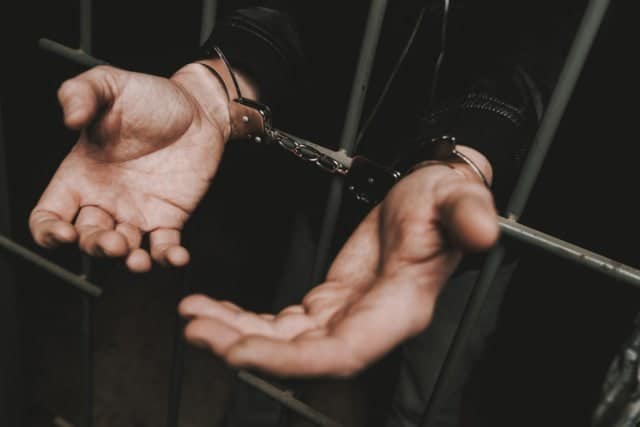
Character evidence often faces scrutiny. Opposing counsel may question character witnesses on specific instances of conduct. As such, these witnesses need thorough preparation to be able to withstand probing questions while maintaining credibility.
How Scrofano Law PC Can Help You Use Character Witnesses Effectively
The aggressiveness of the prosecution process in DC domestic violence cases necessitates a well-prepared defense. Partnering with a knowledgeable law firm that understands these dynamics can be advantageous.
Our experienced attorneys at Scrofano Law PC understand the importance of character witnesses and how they can influence the outcome of a trial. When crafting your defense, we work to carefully identify credible character witnesses who can effectively attest to your positive attributes.
We align witnesses’ insights with our overall legal strategy, ensuring these testimonials directly challenge the prosecution’s narrative. Also, we ensure all parties are prepared to present a cohesive and convincing defense as collaboration is key.
As seasoned defense attorneys, we guide you through this process to maximize the impact of character witnesses on your case. We encourage you to discuss your case with us and explore how our dedicated team can support you.
Secure Your Defense With Scrofano Law PC
Navigating the complexities of a domestic violence defense requires both skill and experience. Our team at Scrofano Law PC has both and is committed to delivering top-tier legal representation tailored to each client’s unique needs.
Our practice is dedicated to criminal defense, focusing on cases ranging from domestic violence to complex federal crimes. Our record speaks to our experience in leveraging character witnesses for favorable outcomes. We understand the crucial stakes in domestic violence cases, and we are here to provide the legal help you need. We encourage anyone facing such charges to contact us. We stand ready to assist with professionalism and commitment.

Frequently Asked Questions: Character Witnesses in DC Domestic Violence Cases
1. What is the role of a character witness in a DC domestic violence case?
A character witness provides testimony about a defendant’s positive traits, such as non-violence, honesty, or integrity. This evidence is used to challenge the prosecution’s narrative and suggest that the alleged criminal conduct is inconsistent with the defendant’s established reputation and personality.
2. Who can serve as a character witness?
Anyone who has a close, firsthand relationship with the defendant and can speak credibly about their reputation can serve. Common sources include family members, friends, long-term coworkers, employers, and community leaders like pastors or neighbors.
3. Can the prosecution introduce negative character evidence first?
No. In DC, the prosecution generally cannot introduce evidence of a defendant’s bad character unless the defendant “opens the door” by first presenting evidence of their good character. Once the defense calls a character witness, the prosecution is permitted to cross-examine that witness and rebut their testimony.
4. What are the risks of using a character witness?
The primary risk is that the prosecution may use cross-examination to bring up specific instances of the defendant’s past misconduct to undermine the witness’s credibility. If a witness is not well-prepared, they may inadvertently reveal information that harms the defense or appears biased due to their personal relationship with the accused.
5. What are the legal requirements for a character witness to testify in DC?
A witness must have the legal capacity to testify, meaning they must be of an appropriate age and mental health status to understand the proceedings. Their testimony must also follow strict procedural rules, focusing on the defendant’s general reputation in the community rather than just the witness’s personal opinion of specific isolated incidents.
202-240-9092
Speak With a Criminal Defense Lawyer in Washington DC Today
Being charged with a crime can have serious consequences, including fines, a criminal record, or even jail time. Having an experienced criminal defense lawyer on your side can make a critical difference in the outcome of your case.
At Scrofano Law PC, we are committed to defending your rights and guiding you through every stage of the legal process. Our firm represents clients throughout Washington DC, Maryland, and Northern Virginia in a wide range of criminal defense matters.
Contact us today to schedule a confidential consultation with a criminal defense lawyer in Washington DC.


