
Clear Guidance for Complex DC Gun Laws

Carrying a pistol without a license in Washington, DC can lead to serious criminal charges. Understanding how the law works can help you make informed decisions and avoid costly mistakes.


What Is Carrying a Pistol Without a License in DC?

In DC, carrying a pistol without a license (CPWL) means having a handgun in public without a valid license. Under DC Code § 22-4504, this is a criminal offense that applies whether the firearm is on your person, in a bag, or inside your vehicle.
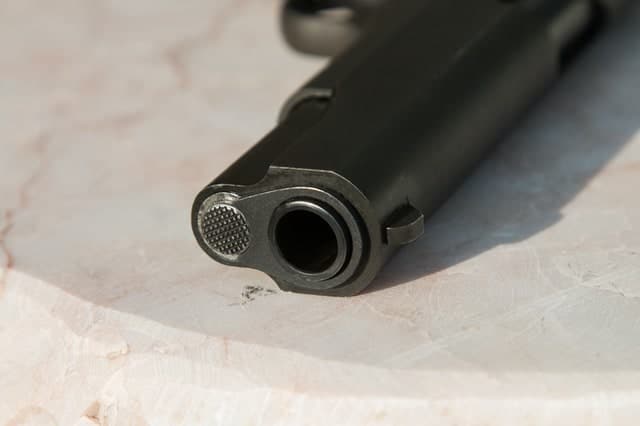
The law covers both open and concealed carry. It does not matter if the firearm is visible or hidden. If you do not have a valid DC-issued license, you may face charges.

DC laws do not recognize concealed carry permits from other states. A license from Virginia, Maryland, or any other jurisdiction does not allow you to legally carry a pistol in DC. This often affects visitors and commuters who are unaware of the difference in local laws.


What Counts as Carrying Under DC Law

DC law defines “carrying” a pistol very broadly. You do not need to be holding the firearm in your hand to be charged. Instead, the law focuses on access, control, and proximity. If a pistol is close enough that you can reach it or control it, it may qualify as carrying under DC Code § 22-4504.

This means a firearm does not have to be visible or actively used. A concealed or stored weapon can still lead to a charge if it is readily accessible.

Common Situations That May Be Considered Carrying

The following are examples of what may qualify as carrying:

  • A pistol in your waistband, jacket, or pocket

  • A firearm inside a backpack, purse, or briefcase that you are holding

  • A gun stored in a glove compartment or center console

  • A firearm under a car seat or within arm’s reach in a vehicle

In each of these situations, the key factor is whether the firearm is within your immediate reach or control.

Carrying in a Vehicle

Carrying does not only apply when walking in public. It can also apply inside a vehicle. If a firearm is located where you can quickly access it in a car, it can also be considered as ‘carrying’. For instance, having a pistol under your seat or in a console may be treated as carrying.

Even if the firearm is not on your person, being the driver or occupant of the vehicle may still lead to charges if the weapon is accessible.

Legal Ownership vs. Legal Carry in Washington, DC

In Washington, DC, owning a gun and carrying a gun are two different legal issues. Just because you are allowed to own a firearm does not mean you can carry it in public.

Under D.C. Code § 7-2502.01, every firearm must be properly registered. This law governs legal ownership. If you follow the registration rules, you may legally keep a firearm in your home.

Carrying a firearm is controlled by a separate law. Under D.C. Code § 22-4504, it is illegal to carry a pistol without a valid concealed carry license issued by DC.

Even if you legally own your firearm, you could still face charges if:

    • You do not have a valid DC concealed carry license
    • You carry the firearm outside the limits of your license
    • You do not follow proper storage or transportation rules under D.C. Code § 7-2507.02. For example, transporting a firearm incorrectly, such as having it loaded or easily accessible in a vehicle, can lead to legal issues.

    In simple terms, legal ownership allows you to possess a firearm, usually in your home, while legal carry requires a separate license and strict compliance with DC laws. Not understanding this difference can result in criminal charges, even if you believed you were following the law.


    Penalties for Carrying Without a License in DC

    Carrying a pistol without a valid license in DC can lead to serious criminal penalties. Under DC Code § 22-4504, the offense is often treated as a felony, even for a first-time charge. The consequences can affect your freedom, finances, and long-term record.

    Possible Criminal Penalties

    If convicted, the court may impose:

    • Up to 5 years in prison
    • Fines up to $12,500
    • A permanent criminal record

    The exact outcome depends on the facts of the case, including how the firearm was found and whether other laws were involved.

    Enhanced Penalties for Repeat Offenses

    Under DC law, a second conviction can lead to up to 10 years in prison under D.C. Code § 22-4504 and related sentencing provisions.

    For repeat offenses, probation may be less likely. This means the court is less likely to allow a person to avoid jail or prison by serving their sentence under community supervision.

    If a person already has prior gun-related convictions, those past cases can also increase the sentence in a new case. Courts treat repeat offenses more seriously because they may show a pattern of not following the law.

    Additional Factors That May Affect Sentencing

    Certain circumstances can lead to additional charges or longer sentences, including:

    • Gun-free zones: Carrying in places like schools, government buildings, or near public transit areas may lead to enhanced penalties or separate charges, sometimes adding additional years, depending on the offense
    • Unlawful possession status: If you are legally prohibited from having a firearm, separate charges may apply, which can carry up to 10 years in prison
    • Multiple violations: Having an unlicensed firearm along with improper storage or transport violations can result in stacked penalties

    Each case is reviewed based on its specific facts, and multiple charges can significantly increase total sentencing exposure.

    Impact of a Criminal Record

    A conviction may remain on your record and affect different areas of your life. This can include:

    • Difficulty passing background checks
    • Limits on firearm ownership in the future
    • Challenges with employment or housing applications

    Because the charge is often a felony, the long-term impact can be significant.

    What Happens After an Arrest for CPWL in DC

    After an arrest for carrying a pistol without a license in DC, the legal process usually begins promptly. The case moves through several stages, each with its own purpose and timeline.

    Arraignment (Within 1–3 Days)

    The first court appearance is called an arraignment. This typically happens within 24 to 72 hours after arrest. During this hearing:

    • The judge reads the formal charges
    • You are informed of your legal rights
    • The court decides whether to release you or hold you
    • Conditions of release may be set (such as travel limits or supervision)

    This stage is brief but important, as it determines what happens next.

    Pretrial Hearings (Weeks to Months)

    If the case continues, the court schedules pretrial hearings. These may take place over several weeks or months. During this phase:

    • Evidence is reviewed and shared between both sides
    • Legal issues, such as search and seizure, may be raised
    • Motions may be filed to challenge parts of the case

    This stage helps clarify the strengths and weaknesses of the case before trial.

    Case Resolution or Trial (Several Months or Longer)

    A case may resolve in different ways:

    • Dismissal: Charges may be dropped in some situations
    • Plea agreement: The case may resolve without a trial
    • Trial: The case is presented before a judge or jury

    Felony cases in DC can take several months to over a year, depending on complexity and court scheduling.


    Steps to Take After Being Charged

    Early decisions after an arrest can affect how your case develops. Taking careful steps may help protect your rights.

    Remain Silent When Questioned

    You have the right to remain silent. Choosing not to answer questions can help prevent your statements from being used against you later. This right is protected under the Fifth Amendment of the U.S. Constitution, which applies in Washington, DC.

    Avoid Consenting to Searches

    You may refuse a search by clearly stating that you do not consent. If law enforcement proceeds with a search anyway, your refusal may still be important in court. This protection comes from the Fourth Amendment of the U.S. Constitution, which guards against unreasonable searches and seizures.

    Keep Detailed Records

    Write down what happened as soon as possible. Include:

    • The time and location of the stop
    • What officers said or did
    • Any searches that took place

    Small details may become important later.

    Review Your Legal Options Early

    Understanding the charges and possible defenses early in the process can help you make more informed decisions. However, this might be challenging if you are not a legal professional.

    You may find it helpful to speak with a lawyer who handles gun cases in DC. A DC gun lawyer can explain how the law may apply to your situation, review possible defenses, and help you understand what to expect as your case moves forward.

    Understanding Your Legal Options

    A charge for carrying a pistol without a valid license in DC can have lasting effects on your record, finances, and future. The legal process can move quickly, and each case depends on its own facts, including how the firearm was found and whether other charges are involved.

    Understanding your rights and the steps ahead can help you make informed decisions. If you are unsure how the law applies to your situation or what to expect next, it may help to speak with a legal professional.

    For more information about your options and the process, you can reach out for legal guidance.


    Frequently Asked Questions

    Is this charge always a felony?

    In many cases, yes. Carrying a pistol without a license in DC is often charged as a felony, even for first-time offenses.

    Can I rely on my out-of-state permit?

    No. DC does not recognize permits from other states.

    Is having a gun in my car considered carrying a gun?

    It can be. If the firearm is accessible, it may qualify as carrying under the law.

    What is the difference between carrying and unlawful possession?

    Carrying focuses on having a firearm in public without a license. Unlawful possession applies when a person is not legally allowed to have a firearm at all.

    202-240-9092

    Shape 4

    Speak With a Criminal Defense Lawyer in Washington DC Today

    Being charged with a crime can have serious consequences, including fines, a criminal record, or even jail time. Having an experienced criminal defense lawyer on your side can make a critical difference in the outcome of your case.

    At Scrofano Law PC, we are committed to defending your rights and guiding you through every stage of the legal process. Our firm represents clients throughout Washington DC, Maryland, and Northern Virginia in a wide range of criminal defense matters.

    Contact us today to schedule a confidential consultation with a criminal defense lawyer in Washington DC.
