
Gun laws across the United States vary widely from state to state. Some states allow permitless or “constitutional carry,” while others require firearm permits, background checks, or additional restrictions. Differences may include rules for concealed carry, firearm registration, waiting periods, and magazine capacity limits. Because each state sets its own regulations, the legal requirements for owning or carrying firearms can differ significantly depending on location.
Federal vs. State Gun Laws
Federal Gun Laws
Federal gun laws create a foundational framework for firearm regulation in the United States. These laws are established by Congress and enforced by federal agencies such as the Bureau of Alcohol, Tobacco, Firearms and Explosives (ATF).
Recent Federal Update on Firearm Sales
A major federal update took effect in 2024 when ATF finalized a rule clarifying when a person is considered to be “engaged in the business” of dealing in firearms. The rule was issued to implement the Bipartisan Safer Communities Act and explains that repeated firearm sales made with the intent to predominantly earn a profit may require a federal firearms license.
This matters because gun laws do not differ only from state to state. Federal licensing rules can also affect when firearm sales are lawful, especially for individuals who buy and resell firearms on a repeated basis.
Federal laws set the minimum standards for gun regulation:
- Background checks are required for all firearm purchases from licensed dealers.
- Specific categories of people, like convicted felons and individuals with restraining orders, are prohibited from purchasing or possessing firearms.
State-Specific Gun Laws
States have the authority to implement their own gun regulations, which can either align with or exceed federal standards. This results in significant variations across different states.
Examples include:
- Concealed Carry Permits: Some states require permits, while others allow “constitutional carry” without a permit.
- Waiting Periods: States like California have mandatory waiting periods, whereas states like Texas do not.
- Assault Weapon Bans: Certain states, such as New York, have bans on assault weapons, unlike states like Florida, where such bans do not exist.
Different approaches can significantly impact residents’ daily lives and reflect each state’s unique cultural and political landscapes.
Critical Differences in State Gun Laws
Permits and Licensing
Gun permits and licensing requirements vary significantly across the United States. Some states have stringent regulations, while others adopt a more lenient approach.
Interstate Purchase Rule to Know
ATF’s current guidance also makes clear that interstate firearm purchases are not governed only by the laws of the seller’s state. For over-the-counter sales of rifles and shotguns, the transaction must comply with federal law, the law of the seller’s state, and the law of the buyer’s state.
That is one reason gun owners can run into legal trouble when they assume a purchase that is legal in one state is automatically legal in another.
Strict States: In states like New York and California, obtaining a gun permit requires extensive background checks, mandatory training, and, in some cases, character references. Applicants often face waiting periods and must demonstrate a justifiable need for owning a firearm.
Lenient States: States like Texas and Arizona have more relaxed permitting processes. In these states, individuals may obtain a permit with minimal requirements, such as passing a basic background check and completing a short training course. Some states even allow constitutional carry, meaning no permit is required for carrying a firearm.
Concealed Carry Laws
Concealed carry laws also differ widely across states, particularly in terms of issuing policies.
Shall-Issue States: States like Florida and Georgia follow a “shall-issue” policy, where the issuing authority must grant a concealed carry permit if the applicant meets the legal criteria. These states prioritize the right to carry, provided the applicant passes basic background checks and fulfills other minimal requirements.
May-Issue States: In contrast, states like New Jersey and Maryland have “may-issue” policies. In these states, the issuing authority can deny a concealed carry permit, even if the applicant meets all the legal requirements. Applicants in these states often need to provide a compelling reason for carrying a concealed weapon, and approval is not guaranteed.
Open Carry Laws
Open carry laws, which govern the public carrying of firearms without concealment, also vary greatly.
Permissive States: States like Alaska and Wyoming allow open carry without a permit. These states have few restrictions on openly carrying firearms in public places.
Restrictive States: States like California and Illinois impose strict regulations or outright bans on open carry. In these states, carrying a firearm in public without concealment is generally prohibited, with some exceptions for rural areas or specific activities like hunting.
Background Checks
Background check requirements for gun purchases differ across states, influencing how easily people can acquire firearms.
Universal Background Checks: States like Colorado and Oregon mandate universal background checks, requiring checks for all firearm sales, including private transactions and gun shows. These states aim to close loopholes that might otherwise allow prohibited individuals to obtain firearms.
Less Stringent States: In states like Texas and Indiana, background checks are only required for purchases from licensed dealers. Private sales between individuals do not require background checks, which can create gaps in the system.
Assault Weapons and High-Capacity Magazines
Regulations on assault weapons and high-capacity magazines also show considerable variation across states.
Bans: States like California, New York, and Connecticut have implemented bans on assault weapons and high-capacity magazines. These states define assault weapons based on specific features, such as detachable magazines or pistol grips, and prohibit their sale or possession.
No Restrictions: On the other hand, states like Texas and Florida do not have restrictions on assault weapons or high-capacity magazines. People can purchase and possess these firearms and accessories in these states without additional legal barriers.
Legal Consequences of Violating Gun Laws
Penalties for Non-Compliance
Violating state gun laws can result in severe legal penalties, including fines, imprisonment, and other consequences. The severity of these penalties often depends on the nature of the violation and the state’s specific laws.
Fines: Many states impose significant fines for gun law violations. For example, in California, carrying a concealed weapon without a permit can result in fines of up to $1,000. In states with stricter gun laws, fines may be even higher for more severe offenses, such as possessing an unregistered firearm or violating assault weapon bans.
Imprisonment: Imprisonment is a common consequence for more severe violations. In New York, for instance, possessing an unlicensed firearm can lead to up to 15 years in prison. Similarly, federal law imposes mandatory minimum sentences for certain offenses, such as possessing a firearm as a convicted felon, which can result in a 10-year prison sentence.
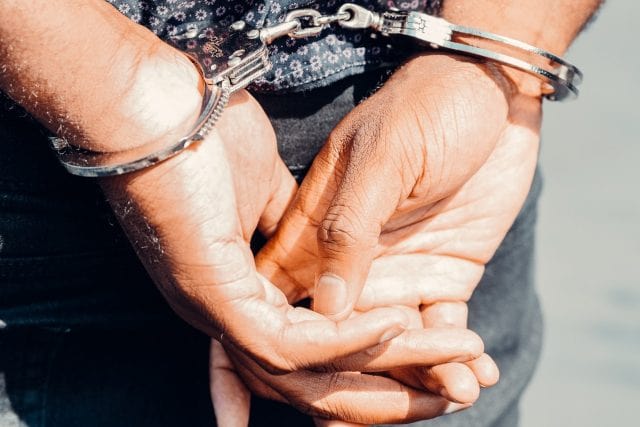
Other Consequences: In addition to fines and imprisonment, individuals convicted of gun law violations may face other legal consequences. These can include probation, mandatory firearm safety courses, and community service. Some states also impose restrictions on the ability to purchase or possess firearms in the future, even after serving a sentence.
Impact on Gun Ownership Rights
Violating gun laws can have a profound impact on an individual’s right to own and carry firearms, with long-term implications that may extend beyond the immediate penalties.
Loss of Firearm Rights: In many states, a conviction for a gun-related offense can result in the loss of the right to own or carry firearms. For example, federal law prohibits anyone convicted of a felony from possessing firearms. This prohibition is often permanent, though some states offer pathways to restore gun rights under certain conditions, such as expunging the conviction or receiving a pardon.
Criminal Record: Having a criminal record related to gun offenses can have lasting consequences beyond the loss of gun ownership rights. A criminal record can affect employment opportunities, housing, and the ability to obtain specific licenses. In some cases, it may also impact a person’s immigration status or eligibility for public benefits.
Impact on Concealed Carry Permits: People with a criminal record related to firearms offenses may also find obtaining or renewing concealed carry permits challenging. In “may-issue” states, authorities have wide discretion in denying permits to people with a history of legal violations, making it difficult for offenders to regain the ability to carry firearms legally.
Restrictions on Other Rights: In addition to losing firearm rights, people convicted of gun-related crimes may face restrictions on other rights. For example, those convicted of domestic violence offenses are often subject to federal laws that bar them from possessing firearms, even if the offense was a misdemeanor.
Overall, violating gun laws can have severe and lasting consequences, affecting not only immediate legal penalties but also long-term rights and opportunities. People need to understand the specific laws in their state and comply with them to avoid these significant repercussions.
Practical Advice for Gun Owners
Researching State Laws Before Traveling
Always research the gun laws of states you plan to visit. Gun laws can vary significantly from one state to another. An excellent place to start is each state’s official government website.
Current DC Example of Why State-by-State Compliance Matters
Washington DC remains one of the stricter jurisdictions for firearm ownership and carry. MPD states that firearm registration is required for District residents, certain business owners, and other qualifying individuals, and MPD published updated firearm forms and portal materials in November 2025.
For anyone traveling between states or moving firearms into the District, this is a strong example of why state and local requirements should always be checked separately before carrying, registering, or transferring a firearm.
Here are some tips for finding reliable information:
- Visit official state websites.
- Look for up-to-date regulations on reputable legal sites.
- Consult state law enforcement or the state’s attorney general’s office.
Staying Informed About Law Changes
Gun laws can change frequently, and you need to stay informed.
Reliable resources include:
- NRA-ILA: Provides updates on gun laws and legislation.
- Local news outlets: Often report on changes in state laws.
- Legal newsletters: Subscribe to bulletins from legal firms or organizations specializing in gun rights.
Consulting With a Lawyer
When facing gun-related legal issues, it’s crucial to consult with a knowledgeable lawyer. Scrofano Law PC understands gun laws and can provide legal consultation.
Seek professional legal advice, as it can make a significant difference in the outcome of your case if you face gun charges.
Navigating State Gun Laws With Scrofano Law PC
Every state has its own set of gun regulations. At Scrofano Law PC, we provide tailored legal advice to ensure you understand the specific laws that apply to you. Our team customizes our services to suit your unique situation, ensuring compliance and robust defense.
Whether you’re facing charges in DC, MD, or VA, we offer personalized service to guide you through the legal process. By providing clear, actionable advice, we help you navigate the complexities of gun law with confidence.
For more insights, visit us at Scrofano Law PC.
When Should You Consider Speaking With a Lawyer?
Gun laws can vary significantly from state to state, and understanding the rules that apply to your situation may be important. Regulations related to firearm ownership, concealed carry permits, and transportation of firearms may differ depending on where you live or travel.
If you have questions about how firearm laws apply in your state or your specific circumstances, you may consider contacting a criminal defense lawyer for guidance. Legal guidance may help you better understand applicable laws and avoid potential legal issues related to firearm possession or use.
Frequently Asked Questions
1. Do I need a permit to carry a gun in every state?
It depends on the state. Some states allow permitless or “constitutional carry,” meaning no permit is required to carry a firearm. Others require a concealed carry permit with background checks and training. States like New York and California have among the strictest requirements, while states like Alaska and Wyoming allow open carry without a permit.
2. Does my home state gun permit work in other states?
Not automatically. Reciprocity agreements vary widely, and many states do not recognize out-of-state permits. Washington DC is a prime example: carrying a pistol without a DC-issued license is a felony, regardless of whether you hold a valid permit from another state.
3. What happens if I travel through a state with stricter gun laws than my home state?
You could face serious criminal charges. A firearm that is legal to carry in your home state may be illegal the moment you cross into another jurisdiction. Federal law under the Firearm Owners Protection Act provides some protection for lawful transit, but it has strict requirements and does not cover all situations.
4. Are there federal gun laws that apply everywhere, regardless of state?
Yes. Federal law sets a baseline that all states must follow. This includes background checks for purchases from licensed dealers, prohibitions on possession by convicted felons and certain other categories of individuals, and restrictions on specific weapons like machine guns and short-barreled rifles. States can add stricter rules on top of federal requirements, but they cannot go below them.
5. If I buy a gun in one state and bring it to another, which laws apply?
Both. According to ATF guidance, an interstate firearm purchase must comply with federal law, the laws of the seller’s state, and the laws of the buyer’s state. This is a common source of legal trouble for gun owners who assume a purchase legal in one state is automatically lawful in another.
202-240-9092
Speak With a Criminal Defense Lawyer in Washington DC Today
Being charged with a crime can have serious consequences, including fines, a criminal record, or even jail time. Having an experienced criminal defense lawyer on your side can make a critical difference in the outcome of your case.
At Scrofano Law PC, we are committed to defending your rights and guiding you through every stage of the legal process. Our firm represents clients throughout Washington DC, Maryland, and Northern Virginia in a wide range of criminal defense matters.
Contact us today to schedule a confidential consultation with a criminal defense lawyer in Washington DC.


